









WHAT'S MMX
Through gathered samples
and observations of the Martian moons,
the origin of the Mars system
and the pathways for the emergence of habitability
and life can be explored.
This is a world first mission led by JAXA.
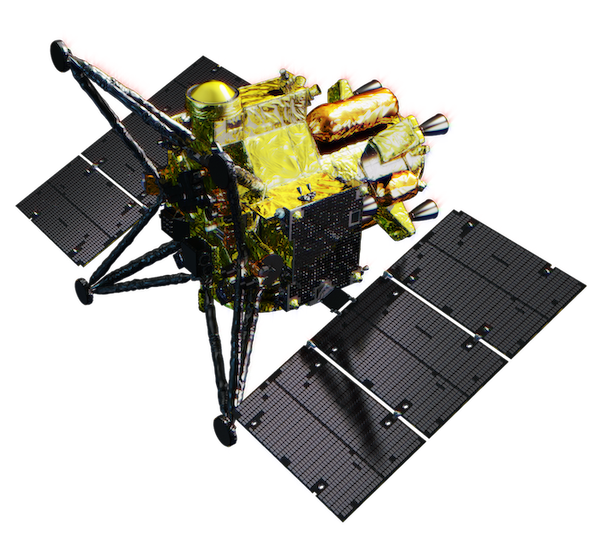
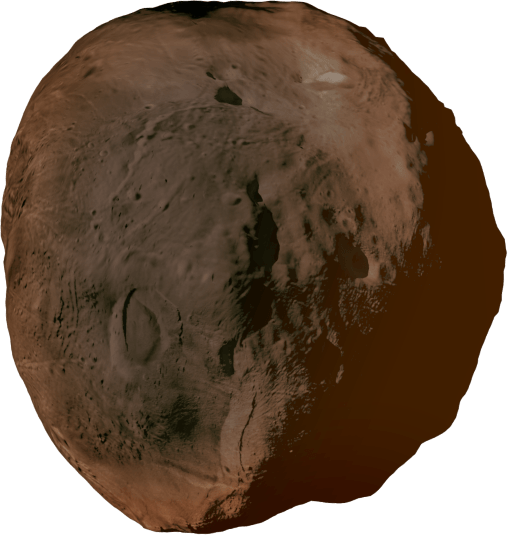
The Martian Moons eXploration (MMX) mission will primarily focus on Phobos, one of the previously unexplored moons of Mars. The mission will observe the topography, internal structure, composition, and gravity, and return samples of rock and sand. The origin of Mars and the planet's two moons has long been considered one of the unsolved problems in the theory of the Solar System's formation. Two major hypotheses have been proposed for the origin of the Martian moons: the giant impact hypothesis (which suggests that the moons formed after a celestial body collided with Mars), and the capture hypothesis (which postulates that the moons are asteroids from the outer Solar System that were captured by Mars's gravity). MMX is the humanity's first attempt to unravel this mystery by exploring and returning samples from the surface of Phobos to Earth. This is an international project led by JAXA, with participation from NASA, CNES, DLR, and ESA. The launch is scheduled for JFY 2026.
MISSION

MISSION 01
Planetary Science
Exploring the origin of the Martian moons and unveiling the evolutionary history of the Mars system
©DLR 2024
01
Uncover the origin of the Martian moons and investigate how the planetary formation process unfolded in the transition region between the inner and outer Solar System, including mechanisms that transported key materials–such as water and organic matter–necessary for the emergency and habitability of life on terrestrial planets.
02
Clarify the mechanisms driving change in the Martian sphere from the vantage point of its moons, providing new insights into the evolutionary history of the Mars system.
MISSION 02
Acquisition of Exploration Technology
Laying the foundations
for future space exploration
©DLR 2024
01
Develop technology for enabling round-trip missions to the Martian sphere and access to planetary moons.
02
Develop technology for reaching the surface of the Martian moons, supporting a sustained stay, and enabling advanced sampling on celestial bodies.
03
Develop communication technology optimised for reliable operations with ground stations during deep space exploration.
MISSION SCHEDULE
STEP 01 [FY2026]
Launch onboard the H3 rocket from Tanegashima Space Center.
STEP 02 [2027]
Journey for approximately one year to the Martian sphere. Destination is the Martian moon, Phobos.
STEP 03 [2027-2030]
Observe Phobos and first deploy the IDEFIX rover to survey the surface and help ensure a stable landing for the spacecraft.
Perform the core objective of the mission to collect samples from Phobos.
Observe the second Martian moon, Deimos. The duration in the Martian sphere is three years.
STEP 04 [2030]
Depart the Martian sphere. Return to Earth over the course of one year.
STEP 05 [FY2031]
Separate the re-entry capsule and begin atmospheric entry.
The capsule is scheduled to be recovered in Australia. This is the final critical phase of the mission.
PROJECT MANAGER

Martian Moons Exploration Project Team
Project Manager
KAWAKATSU Yasuhiro
I am Kawakatsu Yasuhiro, Project Manager for the Martian Moons eXploration (MMX) mission
The Martian moon Phobos remains an unexplored frontier for humankind. By bringing home samples from Phobos, we hope to explore how the Martian moons were formed, how the Mars sphere evolved, and how the water and organic materials found on the terrestrial planets originated. We will also develop exploration technology that will be necessary for human exploration in the future.
This exploration project began almost ten years ago. From the engineering perspective, this is an ambitious plan and the mission has gained much international attention. With researchers and engineers from Japan and overseas working together to overcome the numerous challenges, we are finally approaching launch in JFY 2026. We will be very grateful for your support over the five years from launch until our return to Earth.
AMBASSADORS

JAXA Astronaut
SUWA Makoto
JAXA Astronaut
YONEDA Ayu
I am JAXA Astronaut Suwa Makoto, and I have recently been appointed as the MMX Public Relations Ambassador.
MMX will launch from Tanegashima and embark on a journey towards the distant planet Mars. It is a truly grand challenge to carry out this mission of conducting detailed observations of the Martian moons and collecting samples, and returning these results to Earth. The mission will not only shed light on the formation of the Solar System from the perspective of Earth and planetary science, but is also an extremely important step in acquiring new exploration technologies as humanity's focus shifts towards deep space exploration.

I am JAXA Astronaut Yoneda Ayu, and I have recently been appointed as the MMX Public Relations Ambassador.
Many of you have probably spotted the red planet, Mars, floating in the night sky. MMX is humanity's first attempt to travel to the Martian sphere, land on Mars's moon, Phobos, collect samples, and bring these back to Earth. Nothing has ever been returned from the Martian sphere before. These samples may provide clues to the origins of life and the planets, and expand the possibilities for humans to explore Mars.
PROBE
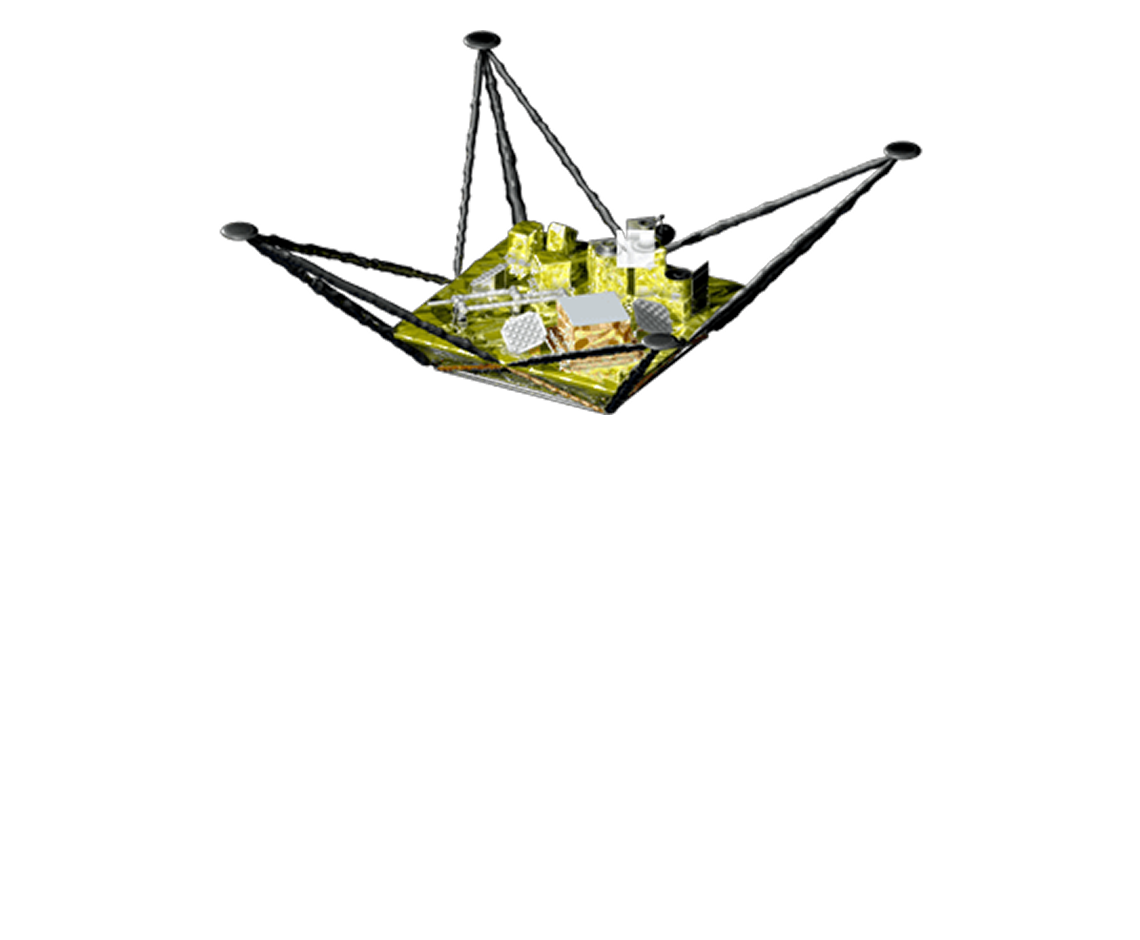
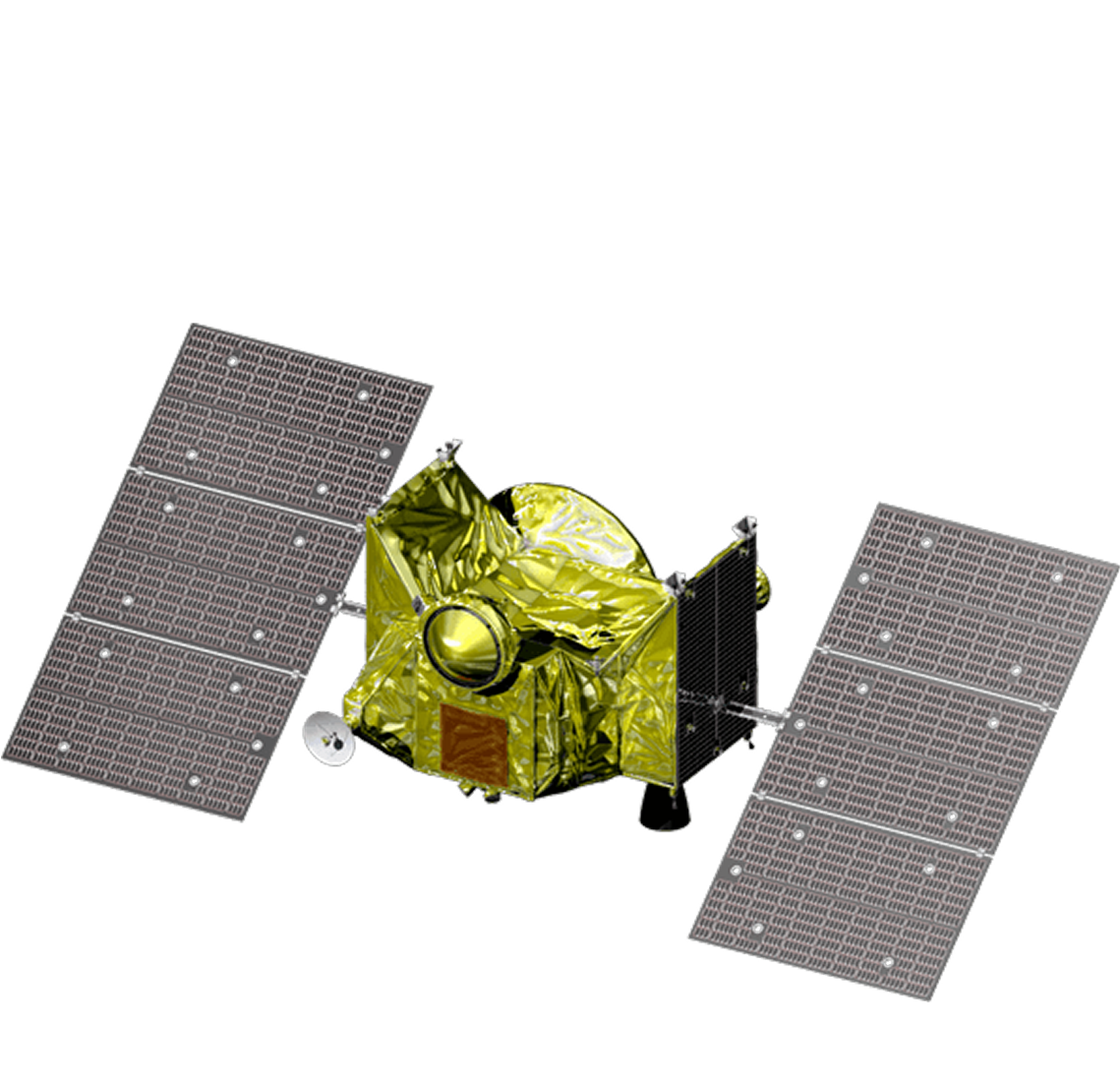
This integrated design provides the diverse capabilities required for the mission: landing on a Martian moon, travelling the long-distance round-trip between Earth and the Martian sphere, and the collection of samples. It also serves as a platform for demonstrating cutting-edge exploration technology.

MISSION INSTRUMENTS
To unravel the mysteries of the Martian moons, we must decide what to observe with which instrument, and which samples to collect. The MMX spacecraft will use eleven scientific mission instruments to explore the moons, and the landing site will be selected based on remote-sensing data. The goal is to return more than 10g of material to Earth.
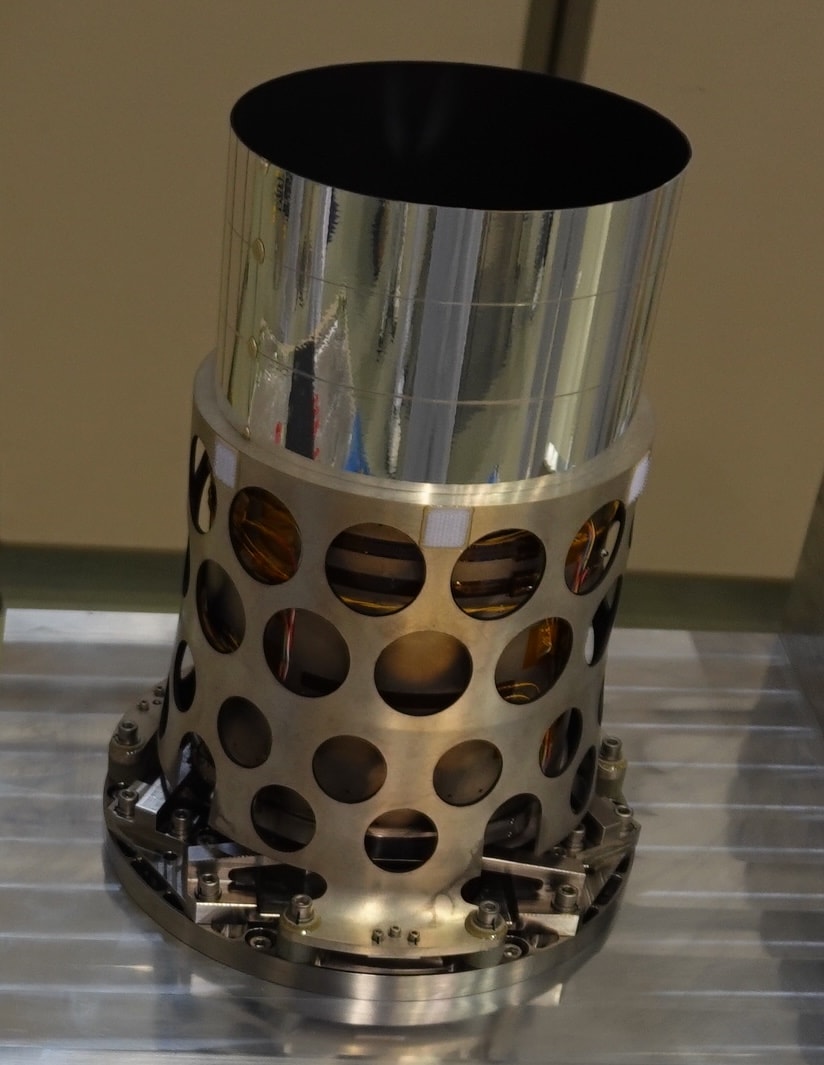 [ TENGOO ]
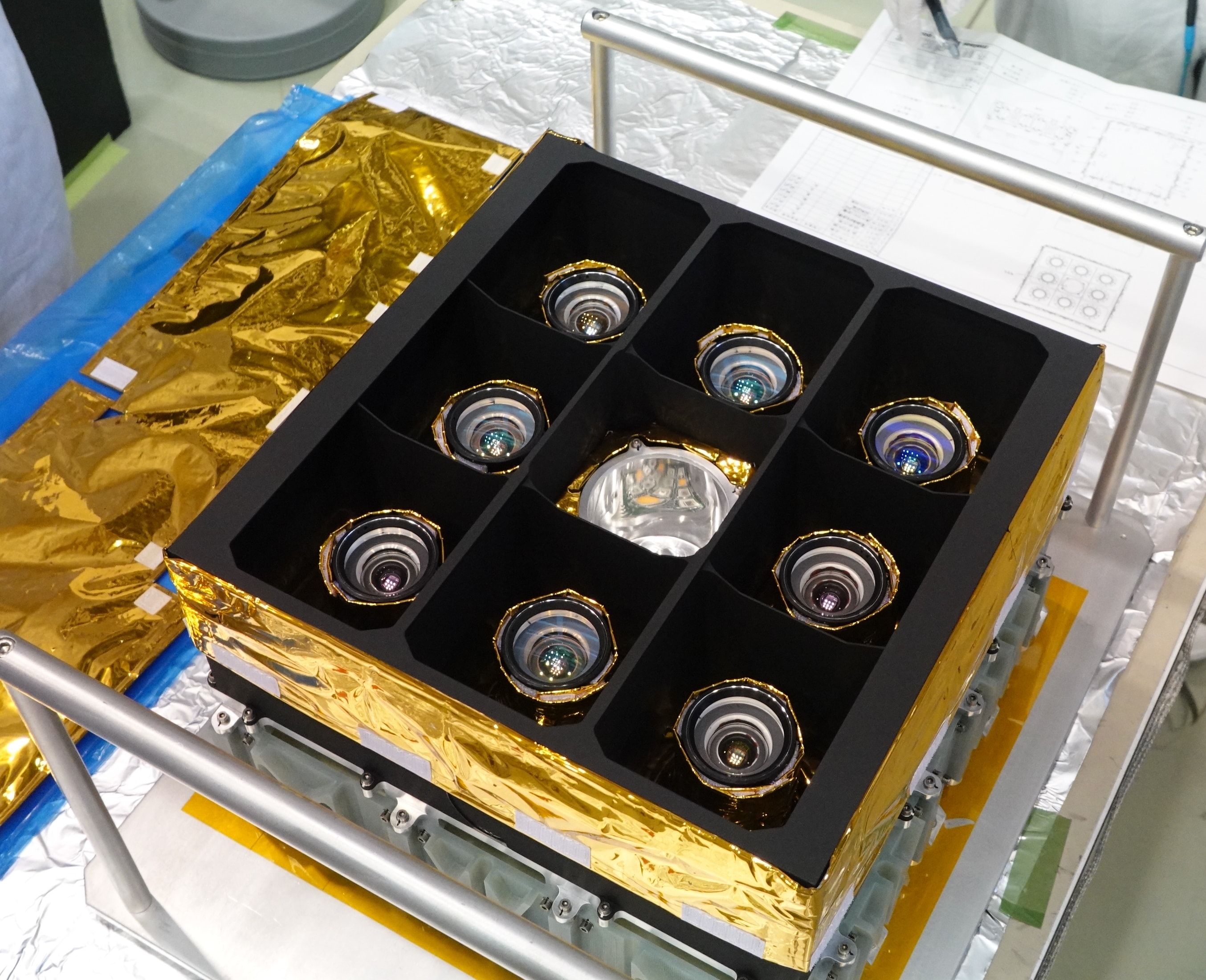 [ OROCHI ]
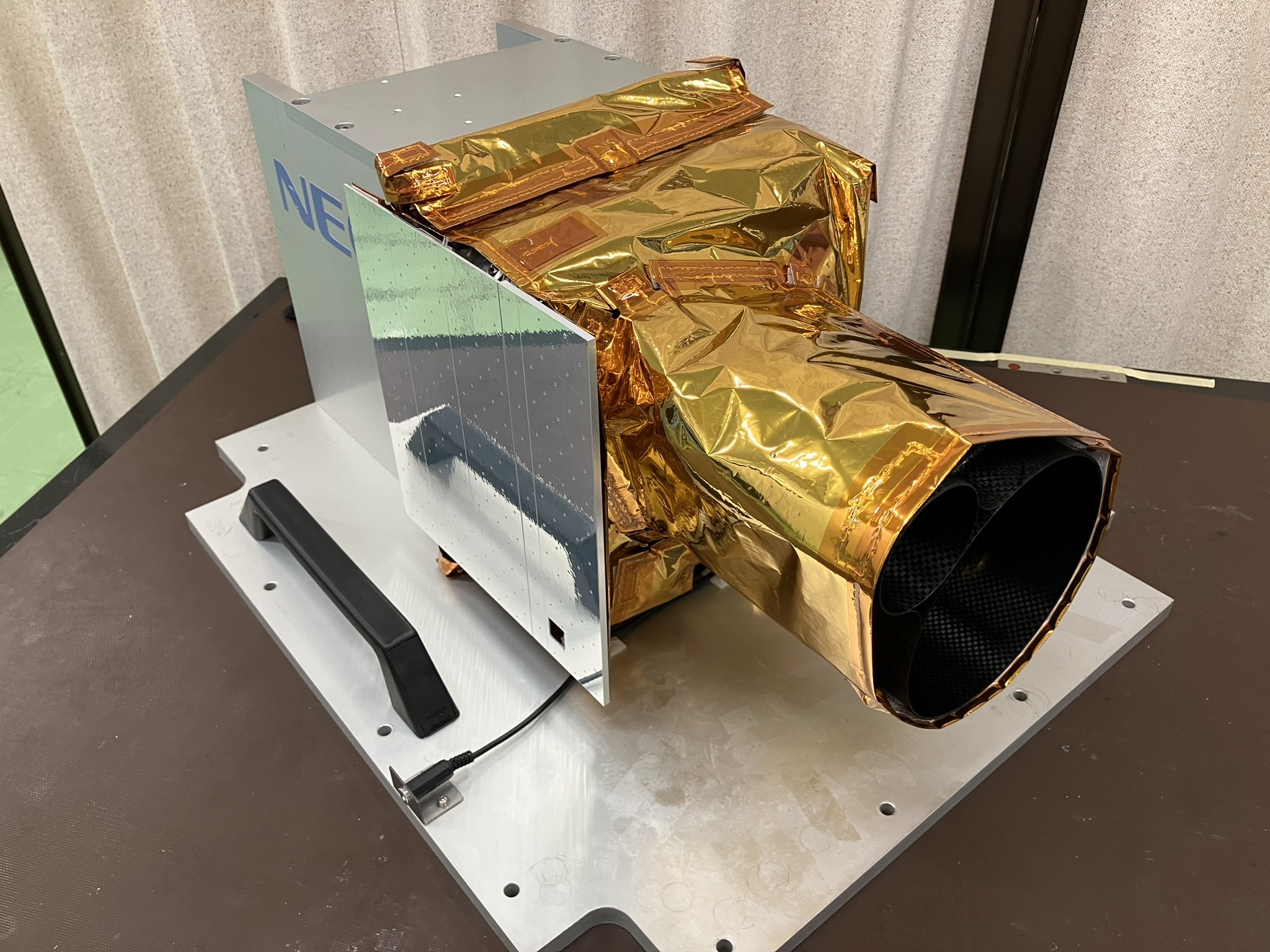 [ LIDAR ]
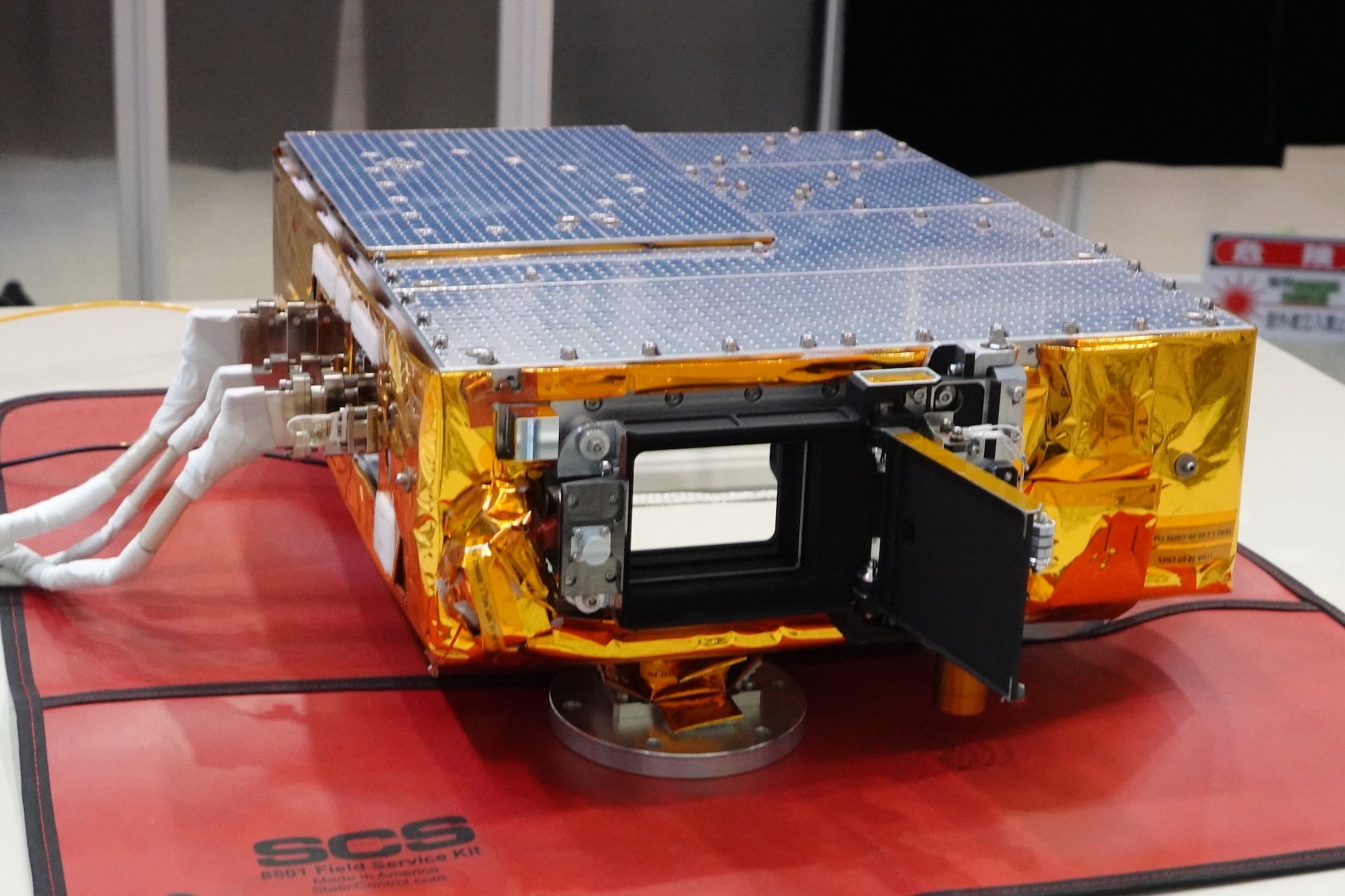 [ MIRS ]
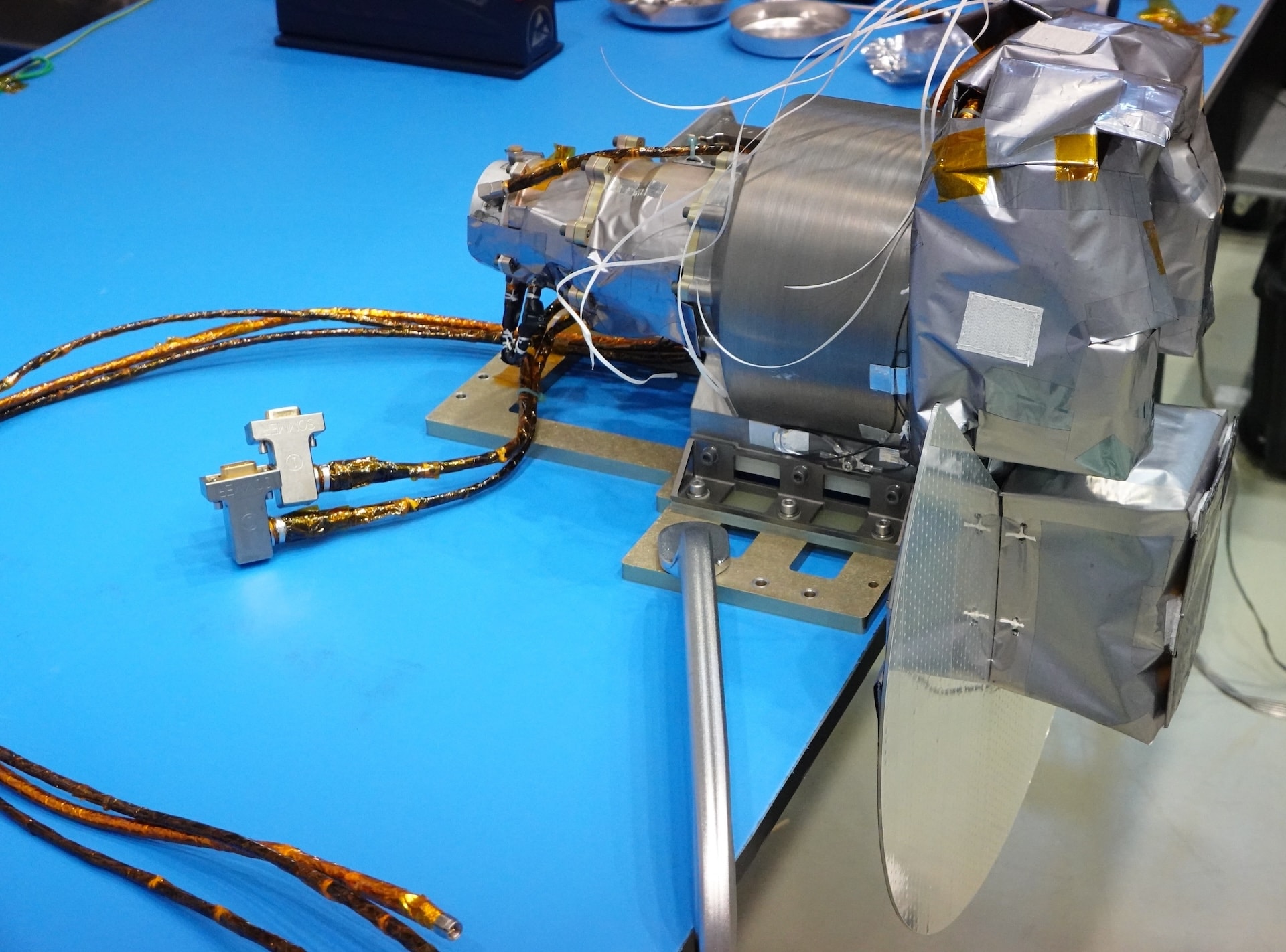 [ MEGANE ]
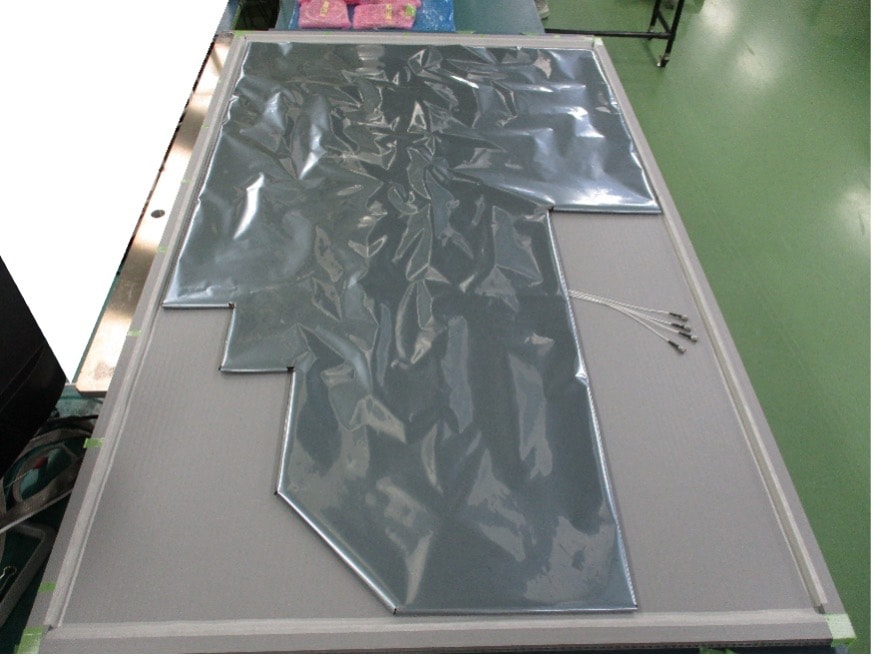 [ CMDM ]
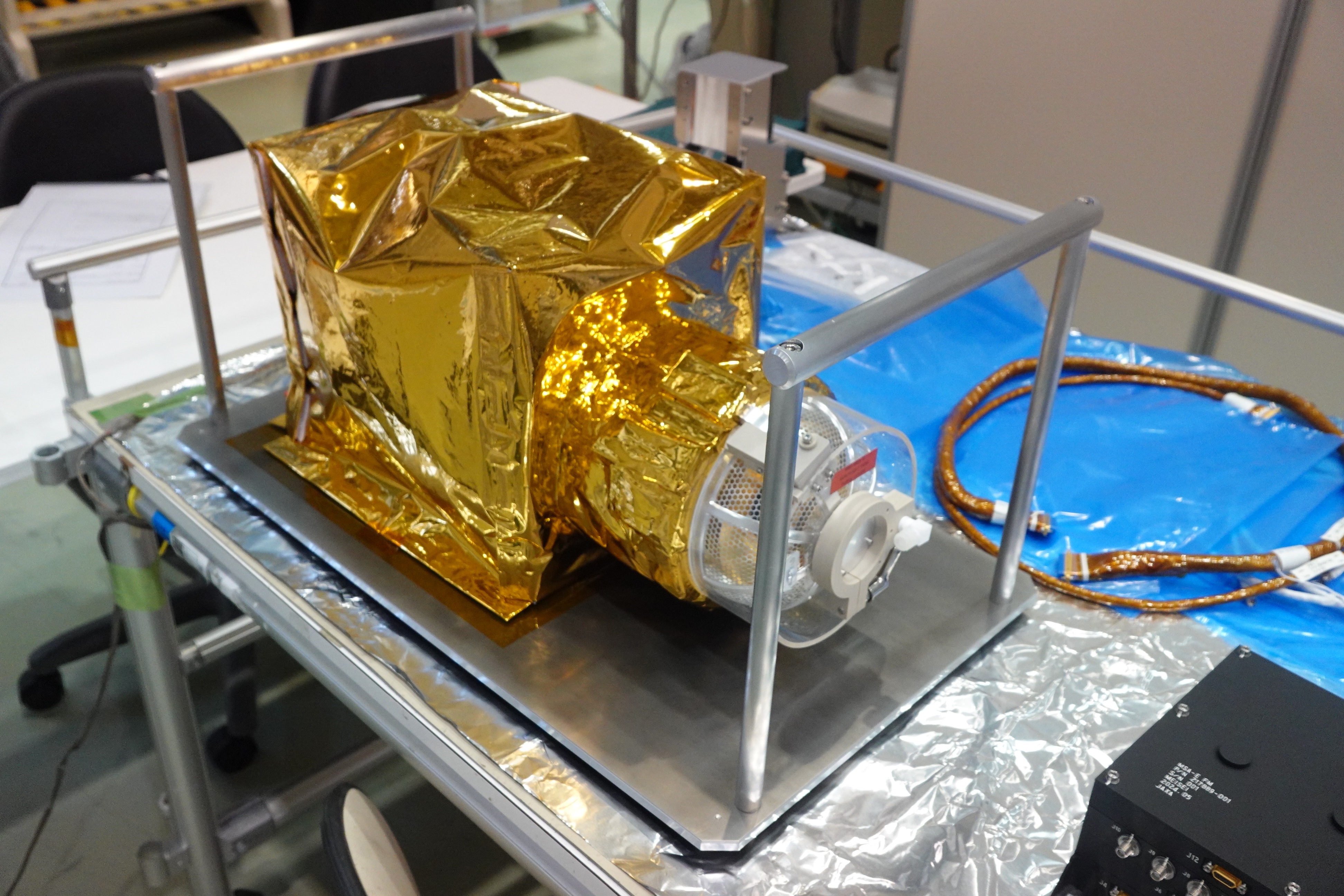 [ MSA ]
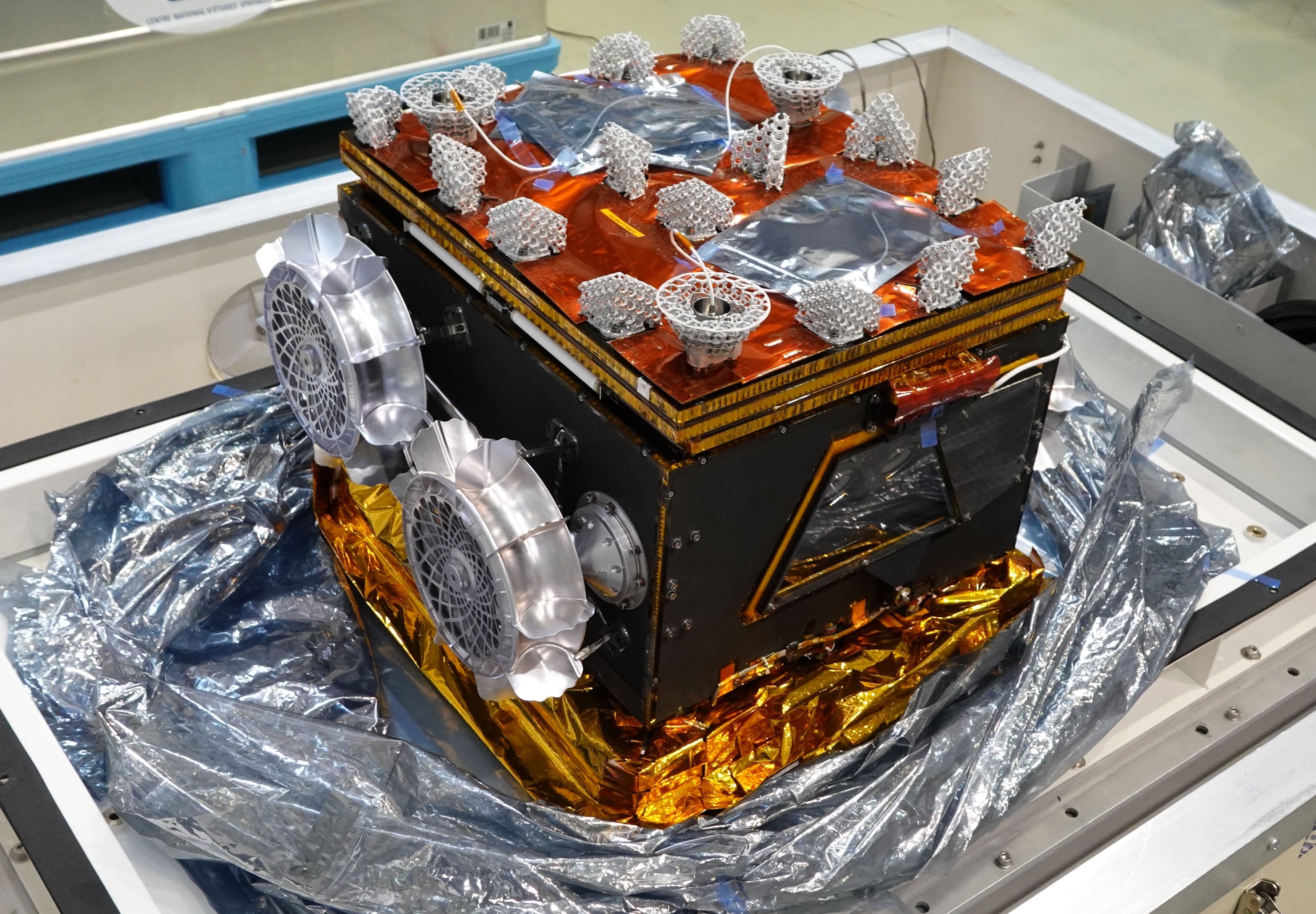 [ Rover ]
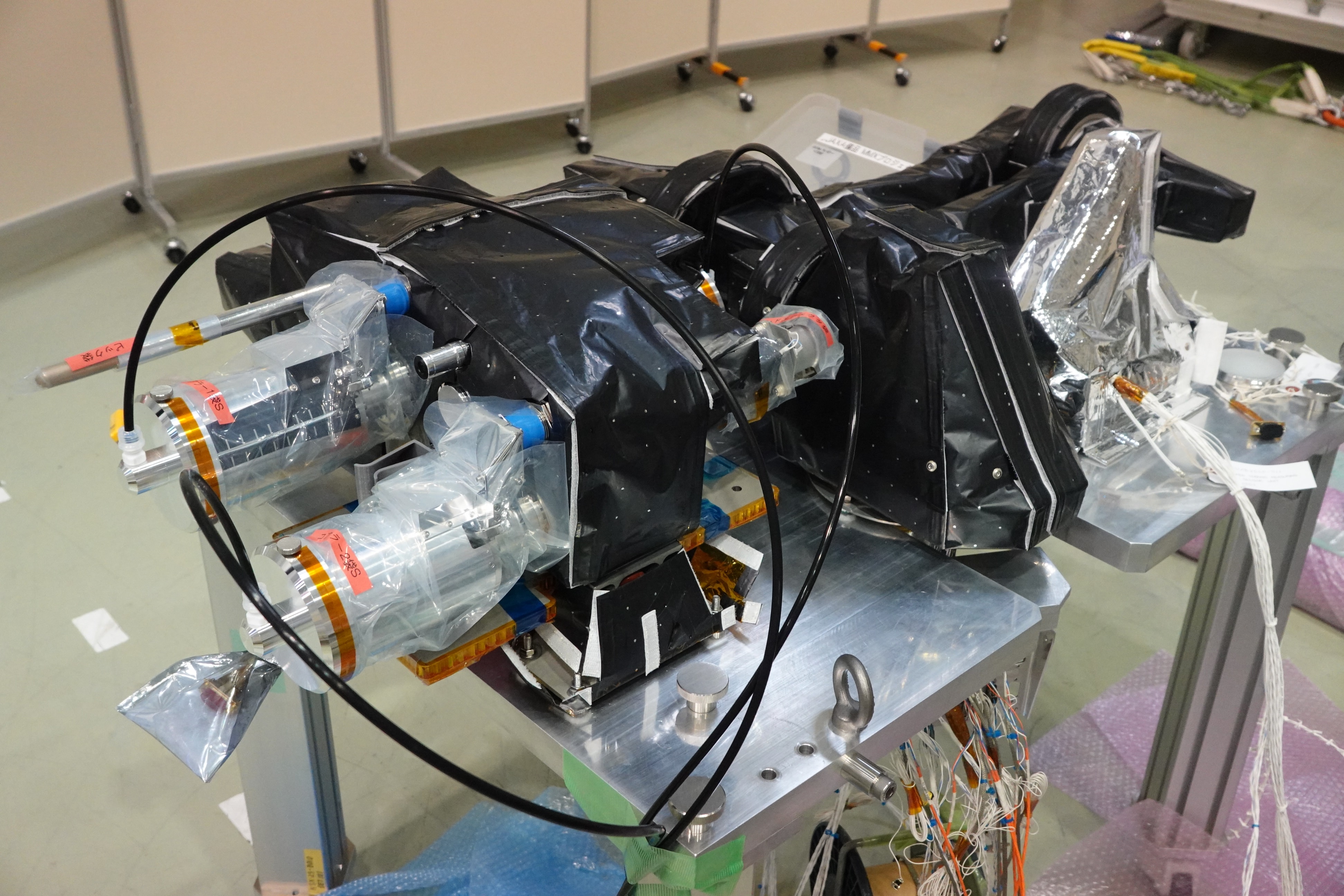 [ C-SMP ]
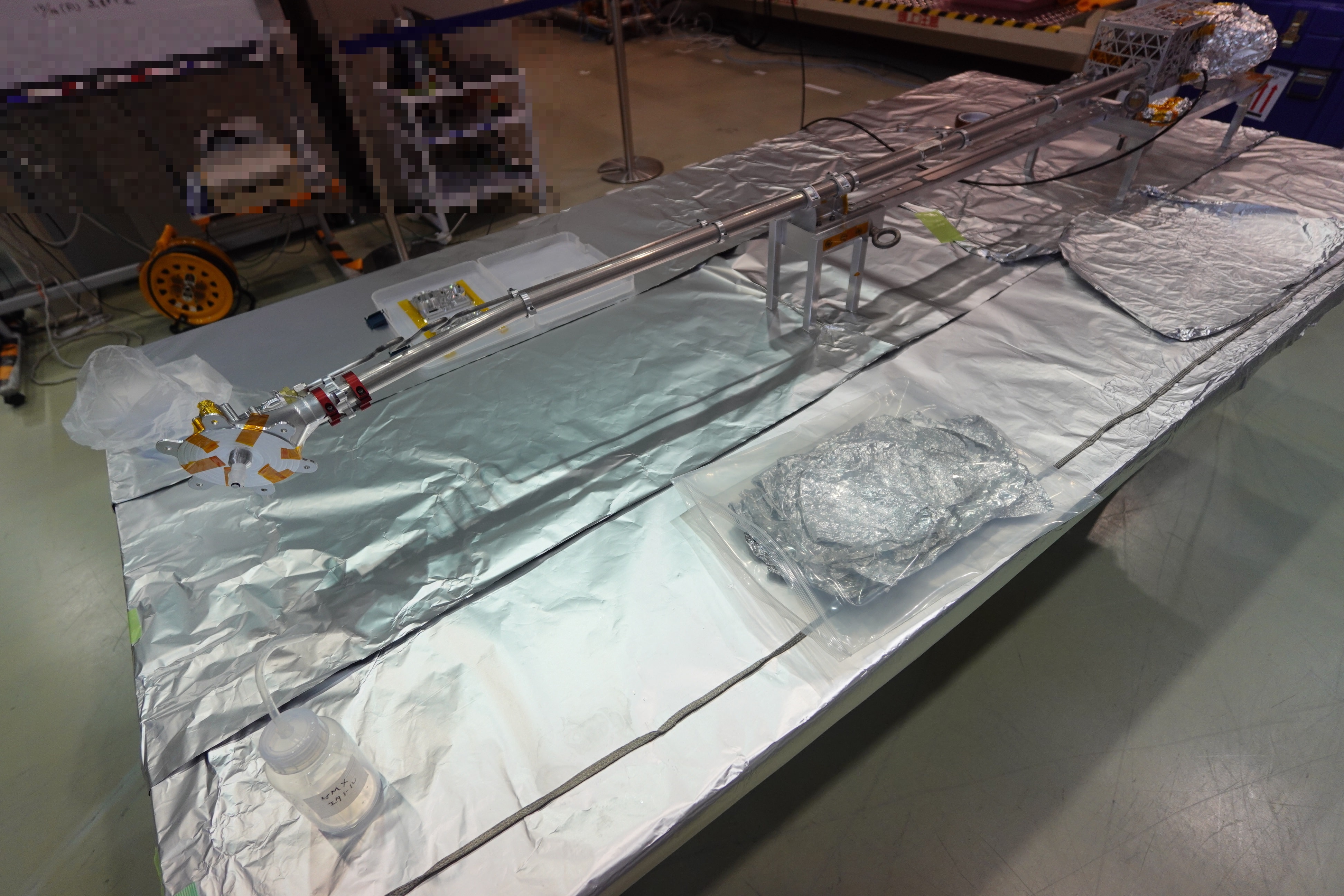 [ P-SMP ]
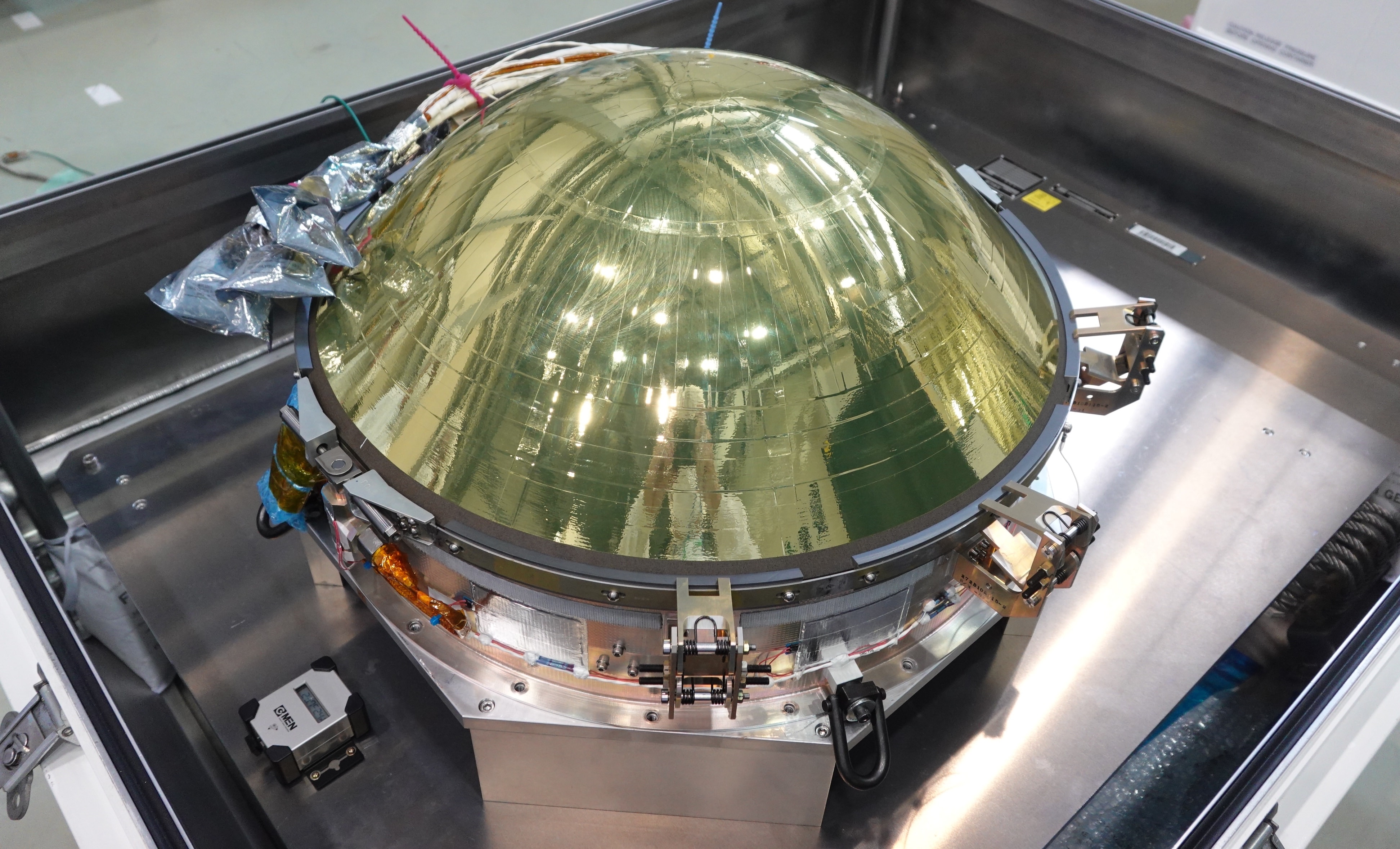 [ SRC ]
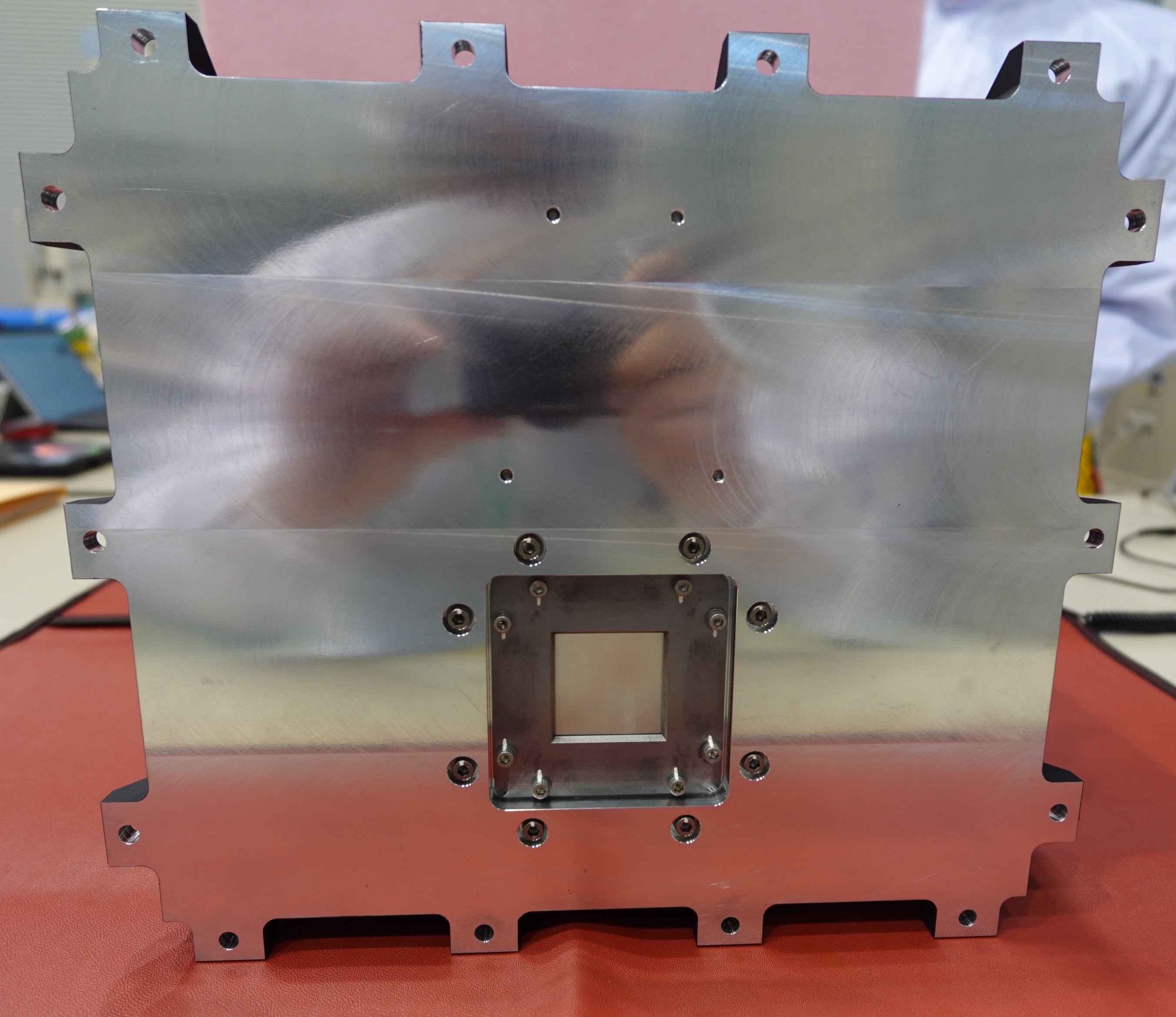 [ IREM ]
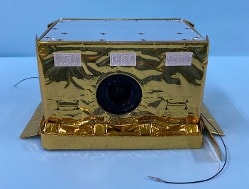 [ SHV ][ TENGOO ][ OROCHI ][ LIDAR ][ MIRS ][ MEGANE ][ CMDM ][ MSA ][ Rover ][ C-SMP ][ P-SMP ][ SRC ][ IREM ][ SHV ]
TEAM
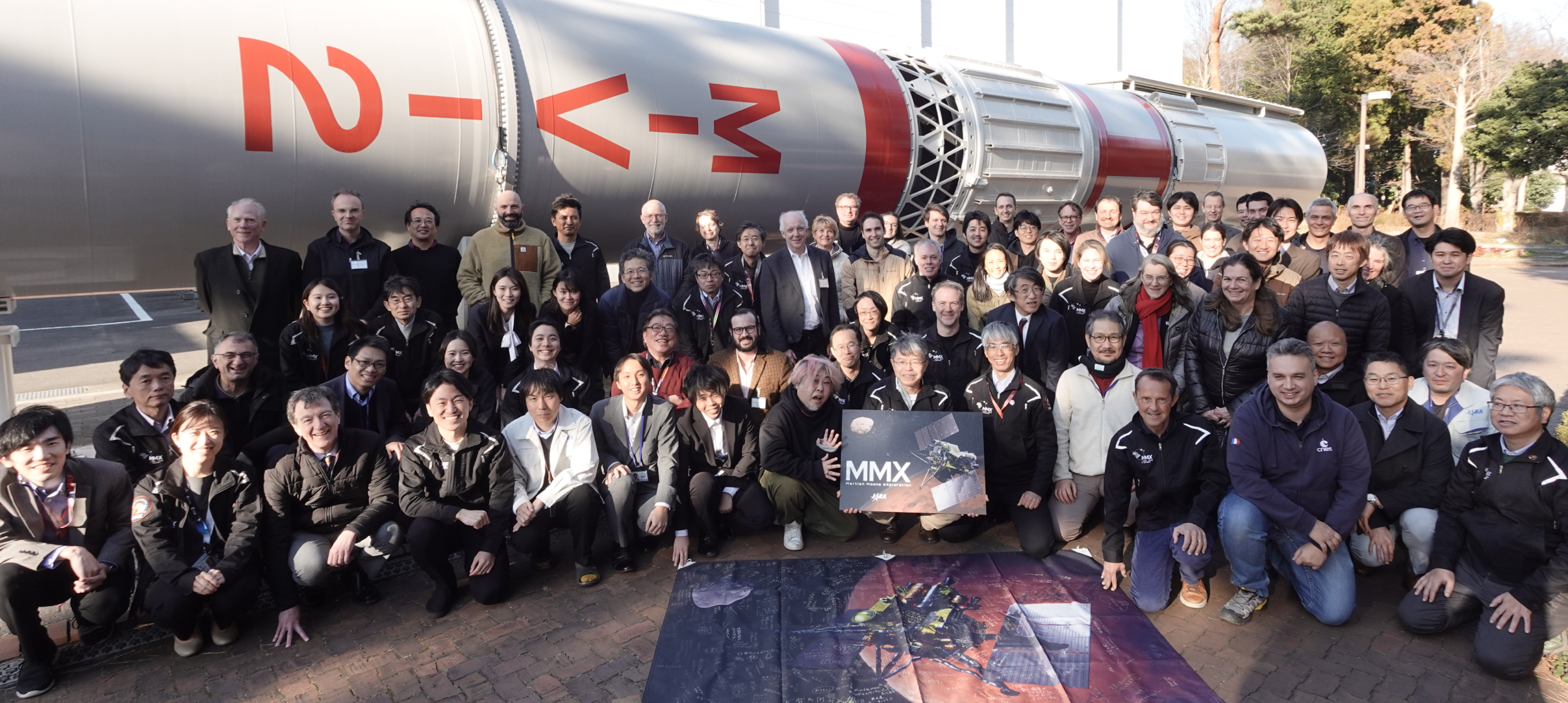
MMX is the largest international collaborative mission in lunar and planetary exploration ever led by Japan. The Project has built a wide-ranging framework of cooperation across Japan and with major Europe and U.S. space agencies, including the provision of onboard equipment.
 VIEW MORE TEAM DETAIL